
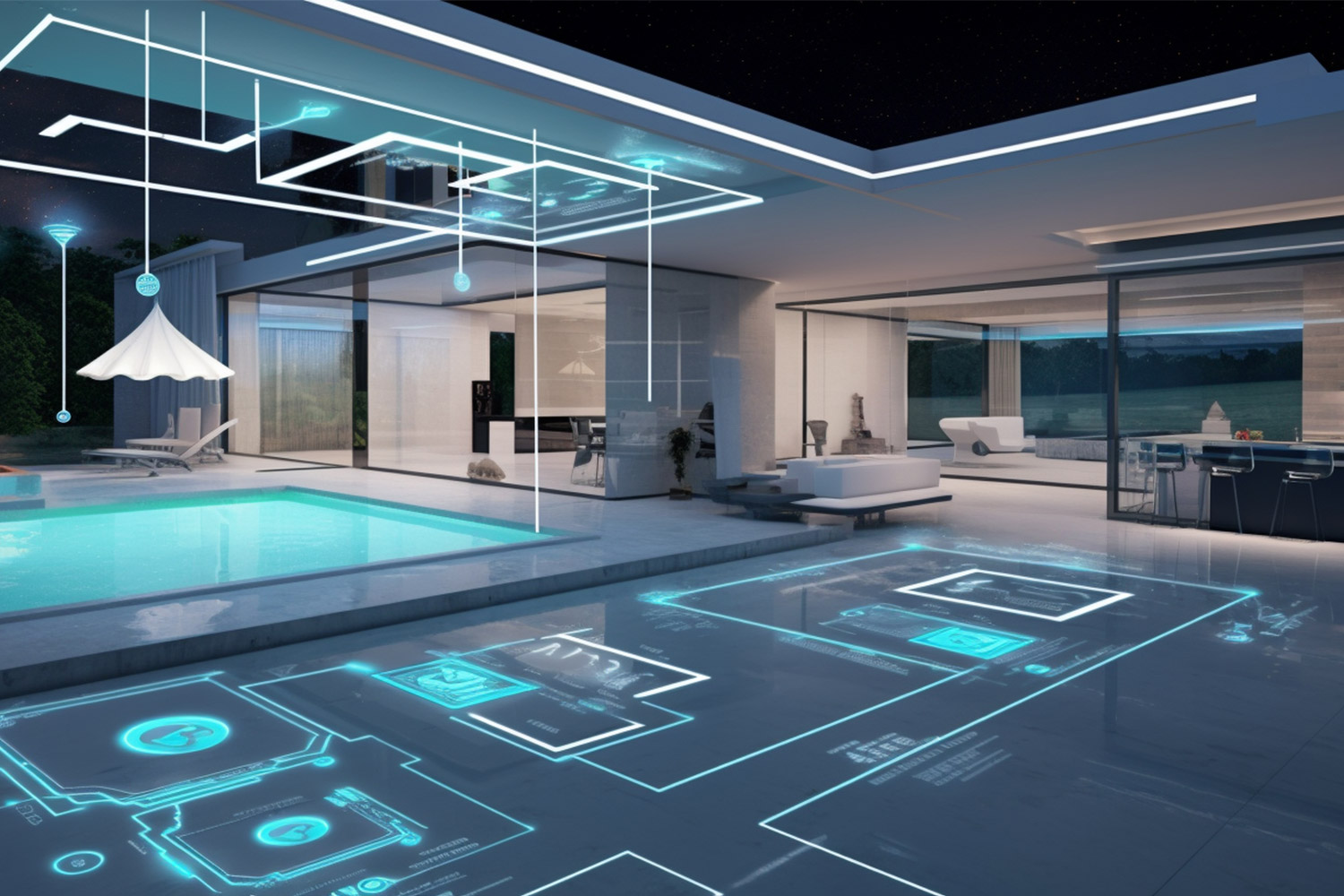
In an era of rapid technological advancements, buildings are evolving from static structures into dynamic entities that can think, respond, and adapt. Smart Building Solutions are at the heart of this transformation, offering a blend of innovation and efficiency that optimizes how buildings function and serve their occupants. These solutions enhance comfort, improve energy efficiency, and bolster security, creating spaces that are truly intelligent.
What are these Solutions?
Smart Building Solutions utilize advanced technologies, including IoT-enabled systems, to streamline and oversee essential building operations such as climate control, lighting, and security management. By integrating these systems into a centralized platform, building managers can monitor performance in real time, identify inefficiencies, and take proactive measures to maintain optimal operations. Whether it’s ensuring the perfect indoor temperature or detecting potential security breaches, smart buildings prioritize both functionality and sustainability. They represent the future of infrastructure where human convenience meets technological ingenuity.
Key Components of Smart Building Solutions
- Building Management Systems
At the core of any smart building lies the Building Management Systems. These systems serve as the command centre, coordinating various building functions for seamless operations. it integrates critical components such as HVAC, lighting, and security to ensure energy efficiency and occupant comfort. By utilizing real-time data, this system adjusts settings based on factors like occupancy and environmental conditions, reducing energy waste and lowering operational costs.
- IoT-Enabled Building Automation
Automation plays a pivotal role in making buildings smarter. Every system – from lighting to fire safety – is interconnected. For example, intelligent sensors identify when a room is occupied and modify lighting or temperature settings as needed. This approach saves energy while delivering a personalized and comfortable experience for users.
Advantages of Smart Building Solutions
- Energy-Efficient Buildings
One of the standout benefits of adopting smart technologies is the creation of energy-efficient buildings. Smart systems continuously monitor energy consumption and adjust usage patterns to minimize waste. For instance, automated lighting systems reduce brightness or switch off in vacant spaces, while HVAC systems adjust heating and cooling by analyzing real-time occupancy patterns. These measures lead to significant cost savings and a smaller carbon footprint. - Enhanced Security and Reliability
Security is a cornerstone of modern building operations, and our Building Management Systems take it to the next level. Advanced access control systems, integrated with CCTV and video analytics, provide round-the-clock surveillance. Intrusion alarms and fire detection systems are automated to ensure immediate responses in emergencies. Such robust security measures not only protect occupants but also enhance the reliability of building infrastructure.
Bonsai Enterprises: Pioneering Smart Building Solutions
As a leader in this segment, Bonsai Enterprises offers comprehensive services tailored to meet the demands of modern infrastructure. Their solution is designed to integrate advanced technologies for automating and optimizing key building functions, including HVAC, lighting, and security. These solutions ensure real-time data monitoring, seamless control, and proactive maintenance, making buildings smarter and more sustainable.
Core Offerings by Bonsai Enterprises
- HVAC Management: Advanced heating and cooling systems designed to respond dynamically to occupancy levels and environmental variations.
- Energy Management: Solutions that monitor and optimize energy usage for cost-effective operations.
- Smart Lighting: Adaptive lighting systems that enhance comfort while reducing energy consumption.
- Security & Access Control: Cutting-edge systems for comprehensive building security.
- CCTV & Video Analytics: Real-time monitoring and analytics for proactive safety measures.
- Fire Safety Systems: Advanced fire detection, alarm, and suppression systems to safeguard lives and property.
How Smart Building Solutions Improve Sustainability
Sustainability is a growing concern, and smart technologies provide an effective way to address it. By converting conventional structures into energy-efficient buildings, smart technologies play a key role in minimizing resource usage. They ensure that energy, water, and other utilities are used judiciously, minimizing waste and promoting eco-friendly practices. For instance, automated energy management systems in smart buildings can predict usage patterns and adjust accordingly. These insights help businesses lower their carbon footprint while meeting sustainability goals.
Challenges and Opportunities in Smart Building Implementation
While the benefits of IoT-enabled building automation and other smart technologies are immense, their adoption is not without challenges. Initial setup costs, data privacy concerns, and the need for skilled personnel can act as barriers. However, these challenges present opportunities for innovation, particularly in addressing cybersecurity risks and creating more user-friendly systems.
Governments and private entities worldwide are increasingly recognizing the value of smart buildings, offering incentives and investing in research to overcome these hurdles. As technology continues to evolve, the future of smart buildings looks promising.
Conclusion
Smart Building Solutions are not just a technological trend; they represent a paradigm shift in how we design, manage, and experience infrastructure. By adopting IoT-enabled building automation, these solutions enhance energy efficiency, security, and sustainability. Companies like Bonsai Enterprises are driving this transformation, making intelligent infrastructure a reality. As we move forward, this energy-efficient implementation will play a crucial role in creating a greener, more connected world.